ld2420
Human presence sensors are arguably the most useful; they are indispensable for both outdoor security monitoring and indoor motion-sensing night lights.
Common human detection uses infrared sensors, which are inexpensive but rely on infrared light and cannot be obstructed, making them easily detectable.
The LD2420 uses radar microwave detection, which can accurately detect human presence even through obstructions like wood or glass, as long as they are not too thick.
I plan to continue using the LD2420 for applications such as recording when I’m home or linking it to the bathroom light.
Previously, I designed an enclosure for the DHT11 to prevent contact with water and electricity and to keep wiring tidy.
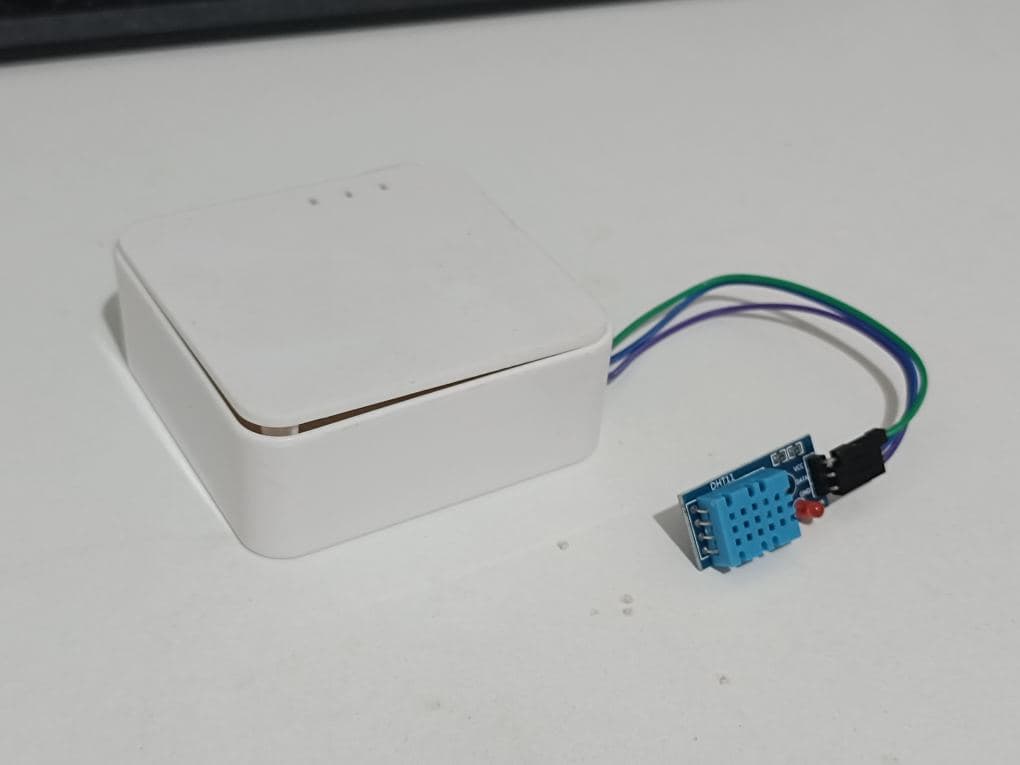
Enclosure
This time, the enclosure cannot be the same as the previous DHT11 enclosure because temperature can be affected by the ESP32. Therefore, the sensor needs to be isolated and placed outside to ensure data accuracy.
Conversely, the LD2420 is not affected by heat dissipation but rather by visual obstruction. I need an enclosure with a transparent window. This way, the LD2420 can be protected from physical contact while ensuring its normal operation.
An enclosure with color and a specific design can even help hide the LD2420, making it less noticeable, as many people dislike being recorded for security purposes.
It can be discreetly placed near the entrance, but in one’s own room, it doesn’t matter as much.
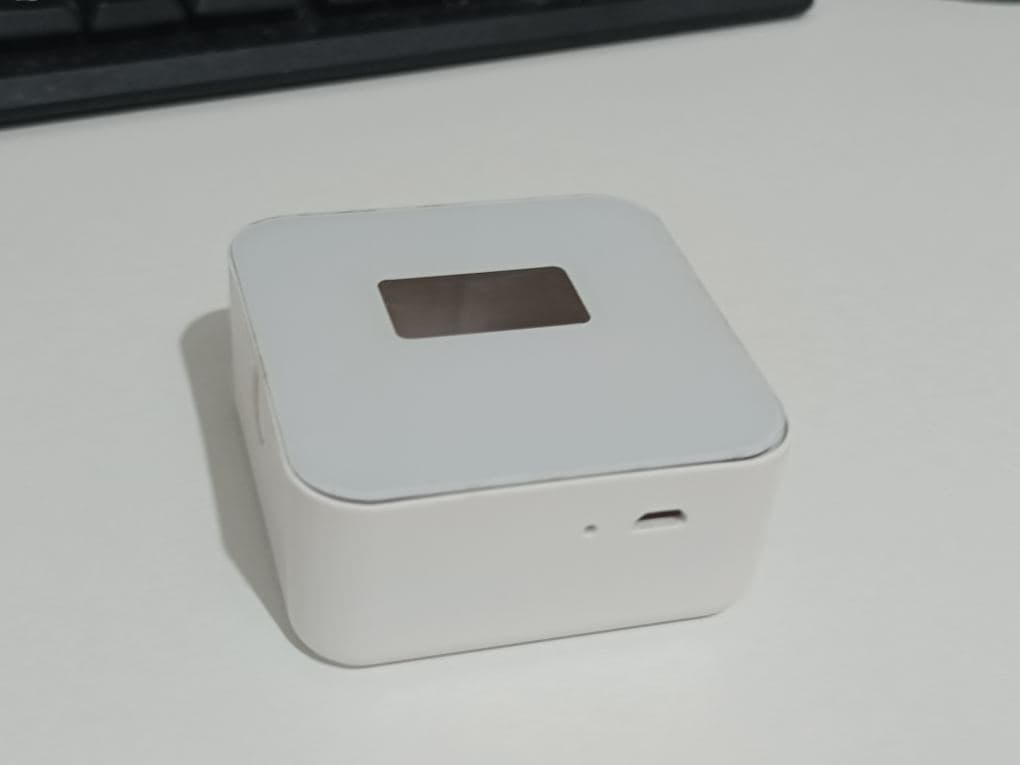
Setup
Ultimately, I will secure the LD2420 sensor to the transparent area of the enclosure using electrical tape.
Then, the entire enclosure will be placed on a desk or fixed to a suitable wall with double-sided tape, etc., to detect specific scenarios.
What I’ve thought of so far is linking it to the bathroom light: when I pass through the kitchen, the bathroom light turns on for three minutes, then turns off if no one is detected. This entire process is automatic, especially useful for late-night settings.
Secondly, facing the living room door, it will record and notify whenever someone enters or exits. If I’m not home but receive a notification, it’s highly likely to be a thief or something else.
Later, it can be placed at the entrance as appropriate, notifying if someone is at the door (this is the most crucial, but it’s highly recommended to buy a commercial product for this; DIY items require self-written power management and programming, which can be troublesome).
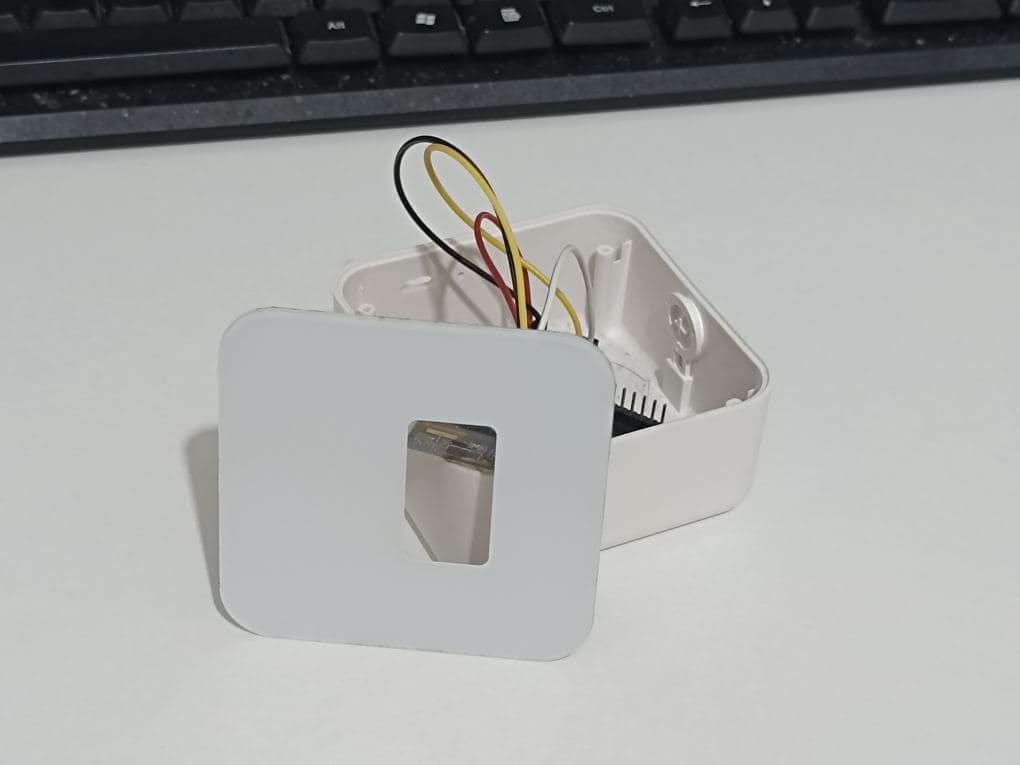
Tips
Besides the LD2420 human presence sensor, there are also respiration sensors that can detect a person breathing in a room.
Vital sign radar can detect if someone is in the room and breathing (sleeping), even if they are sitting still.
LD2420: Even if a person is sitting/standing mostly still → it can still detect human presence.